Let's talk about branding.
How do you make sure that your brand stands out? That people both see and are consciously aware of it. Branding is all about how people view and perceive your company. Creating a brand identity helps companies establish a unique presence in the marketplace and differentiate themselves from the competition.
What is brand identity, visual identity and why are they both important?
Your brand identity is a holistic expression of your brand—what your brand says, your values, how you communicate your product, and what you want people to feel when interacting with it. Essentially, it's your business's distinctive personality but also a promise to your customers. It's something emotional, informative and unifying at the same time. It's what they walk away with after interacting with your brand. It is what you want people to think, feel and say about you when you're not there.
On the other hand, your visual identity has an intrinsic relationship with your brand identity. It is the visual representation of your company's branding and is a collection of tangible, recognisable brand elements that work as a cohesive whole. It results from a set of design choices you make to ensure that your community view, perceive and feel about your brand how you want them to. Creating one establishes consistency and defines your brand. And when done right, it should tie to your brand vision —an aspirational description of where you want to be in the future.
A strong vision for the brand look and feel is necessary to create a visual system from logo and other brand elements to the tone of voice, providing a unique and compelling expression. The goal is to develop an authentic identity so distinct that it fills the brand with credibility and engages the target group.
What are the elements of a brand's visual identity?
Logo Design (+variations)
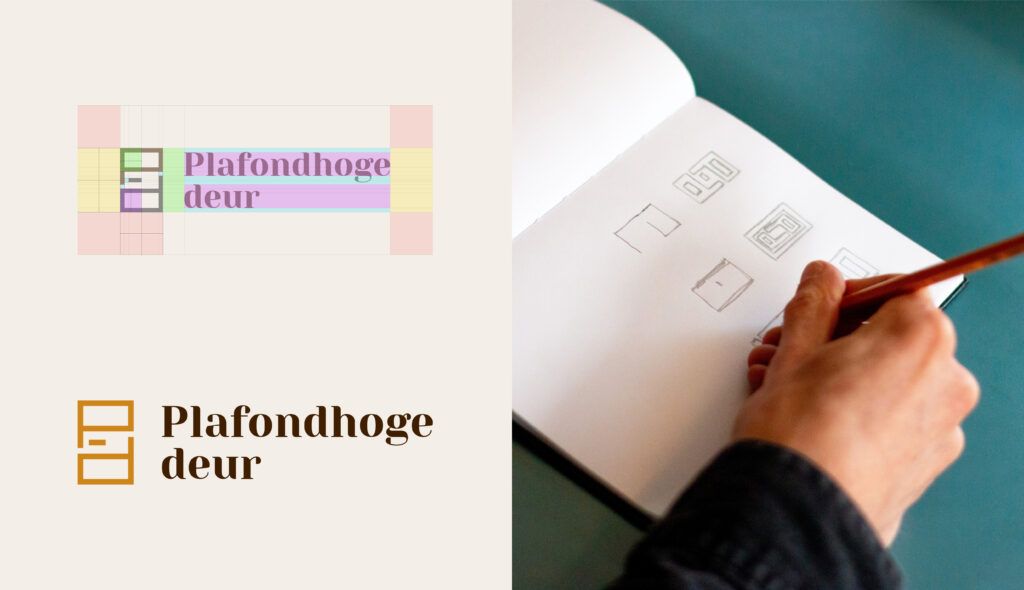
One of the many things that your target group will associate with your brand is your logo—a visual representation of your business. A logo can be as simple as a symbol, mark or wordmark as long as it is effective. Effective logos foster brand recognition and loyalty through familiarity—also called, the mere-exposure effect. Don’t forget to consider logo variations too (e.g. vertical/horizontal lockup, full colour/black & white/transparent versions, icon only etc.). Logo design variations give you the flexibility for different scenarios.
Typography and font choice
Whether it is on your website or your business card, you want your text to be legible and reflect what your company is and does. The physical appearance of written text, or typography, plays a crucial role in how it is perceived and comes across to the reader. That's because the visual aspects of written works—the size, colour and font—elicit a particular emotion and communicate subtle nuances.
Don't forget, when choosing your typography, go for type families that complement each other well. Be aware that the font size and weight both play a massive part in how you communicate your brand identity too! Don't cut corners when deciding on your new font, either. It is an investment that, in return, bolsters brand recognition.
Colour palette
Your brand's colour palette is a powerful element that can influence a potential customer's perception and behaviour towards your brand. That's because each colour has an underlying meaning and elicit a particular emotion and feeling. People form an initial impression about your brand without knowing what your brand is about, based on the colour scheme. Colour psychology—the study of how colours affect perceptions and behaviours—is influential in marketing and branding. For example, brands use colour psychology to reinforce their identities. If I were to ask you to think about a red soda can or a green tractor? Which brands instantly comes to mind? Coca-Cola and John Deere, right?
Moreover, having a diversified colour palette allows you to designate a specific colour for a particular function or incite a specific action from users. Have you ever wondered why a call to action button is, most often, a bright colour? Because bright colours are attention-catchers!
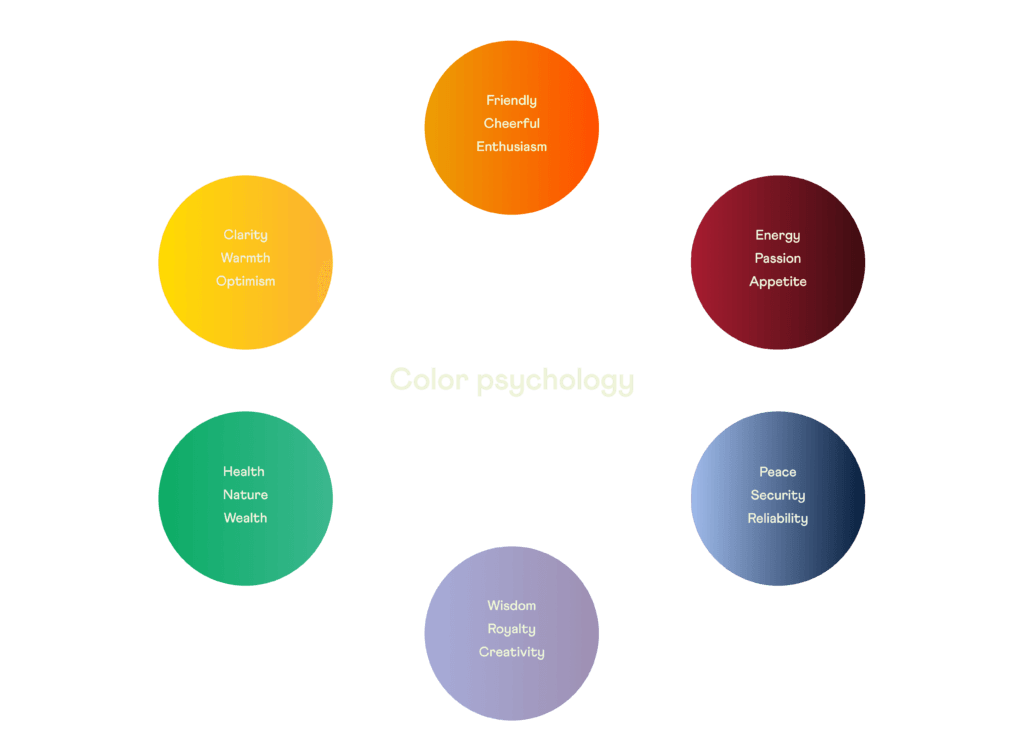
When contemplating your brand's colour palette, put your personal taste aside and consider the meaning. It's not what you like. It's what your brand should represent. For example, the colour blue is perceived as trustworthy, dependable, fiscally responsible and secure; that's why many financial institutions use it.
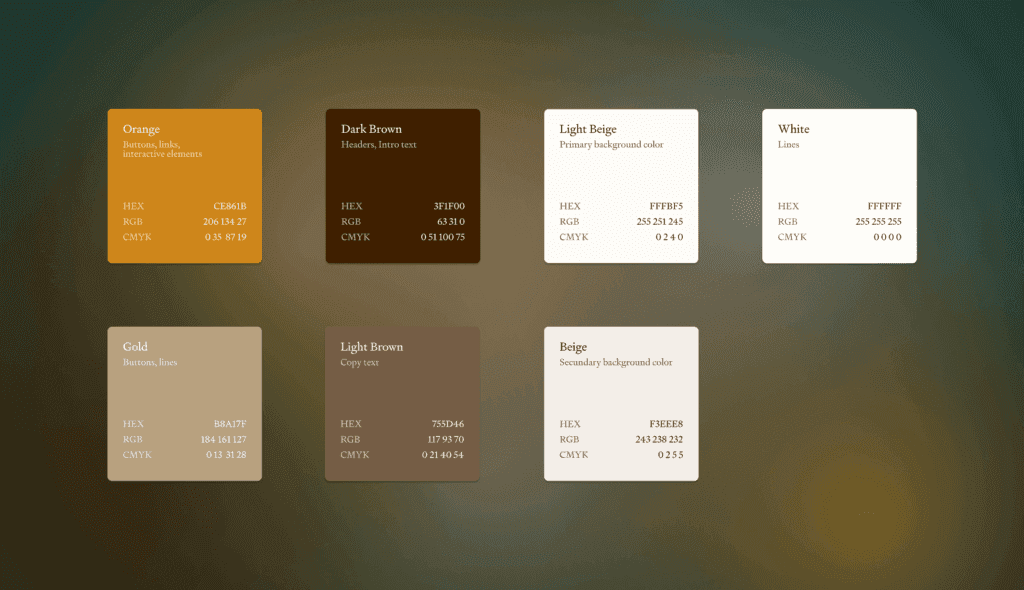
Don't forget to go for a consistent and complementary colour palette across your logo, website, and all forms of communication and touchpoints. Not all colours look fantastic in both print and web, so do your due diligence before making that final decision.
Shape
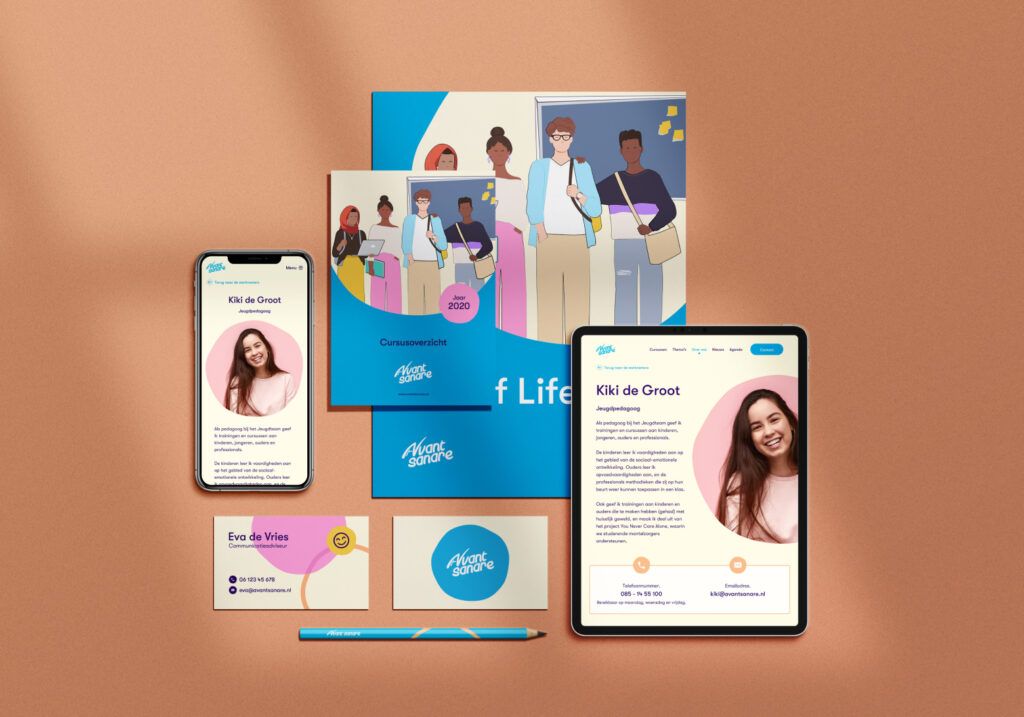
Like your colour palette, your shape is a powerful element that can influence a potential customer's consciousness and behaviour. Each shape sends a unique message, has an underlying meaning, and elicits a particular emotion and feeling. That's why the psychology of shapes—the study of the influence of shapes on people—is an important piece of the brand identity creation puzzle. We analyse visual objects in terms of shape without much cognitive effort and associate particular shapes with meaning. A circle, for example, suggest warmth, friendliness, security and completeness. For our client, Avant sanare, we implemented an imperfect circle into their brand identity.
When considering your brand shape, think about the underlying meaning behind it. Does it go hand-in-hand with your brand ideals? Can you link the shape's meaning to your mission and vision? Remember, shapes' send a unique message, so use them creatively to make your logo and other brand elements unique, memorable and applicable to your brand identity.

Imagery (photography + illustrations)
When confronted with your brand for the first time, one of the first things that prospects or new websites visitors will see is your brand imagery. Does it fit the brand and is it visually appealing to your target group? Great, they'll most likely feel connect and engage with your brand.
Your brand imagery is the aesthetic appearance of your brand's core messaging. It's a visual story-telling component made up of a collection of imagery that supports your brand identity. Brand imagery can have many forms: icons & symbols, illustrations, infographics, photography, print materials—the list goes on. All of which play a key role in your brand identity. Whichever you choose, you must be consistent from the start and tie it back together with the other components of your brand identity (e.g. colour palette, shape, typography etc.).
Brand guidelines
The final thing to consider is your company's brand guidelines, often referred to as brand identity guidelines, brand book, or even brand manual. Each term means the same thing—an all-encompassing document that summarises your brand and outlines exactly how your brand should look and feel. But also to help identify, build, and grow your brand. In essence, whoever reads through it should fully understand how to apply it no matter the medium.
Brand Identity Deliverables
Stationery design and promotional materials
Despite the steady transition into the digital realm, printed materials—business cards, letterheads, packaging and stationery—remain powerful branding assets. Your stationery design and promotional materials result from the design-related decisions you made for your brand's logo, typography, colour palette, shape and imagery. Don't forget to consider all of the stationery and promotional materials you'll need to use across your brand. These will vary depending on what kind of business you run and your target group. And remember, not all colours look fantastic in both print and web, so do your due diligence before making that final decision.
Social media assets
Next to your printed materials, you should think about how you will appear on social media. According to the latest figure, 3.96 billion people use social media worldwide; that's a lot of people. Yet, the channels you should have the most presence on will depend on where your target group is the most active. Typically, you'll need an avatar image and header for each of your social channels. Additionally, you'll need to consider how you're going to share content. Brand tone of voice and messaging is crucial, but so is the visual content. Having preset templates for specific posts on your timeline, feed or story, ensure brand consistency across all of the platforms you're active on.
Website and Digital Design
Your website is one, if not the most, representative aspect of your brand identity. It forms part of your online identity, and it shouldn't be overlooked. It is the primary marketing tool for most businesses and is highly influential in the buyer's journey. Prospects are likely to visit your website, in some instances, your social channels as well, to become aware of, consider and evaluate your product or service before deciding whether or not to purchase. Questions that they'll implicitly ask themselves when they do are: Do I feel connected to the brand? Do I like what they stand for? Can I support them? So when (re)designing your website, make sure to incorporate your voice, message and personality into the content and design.
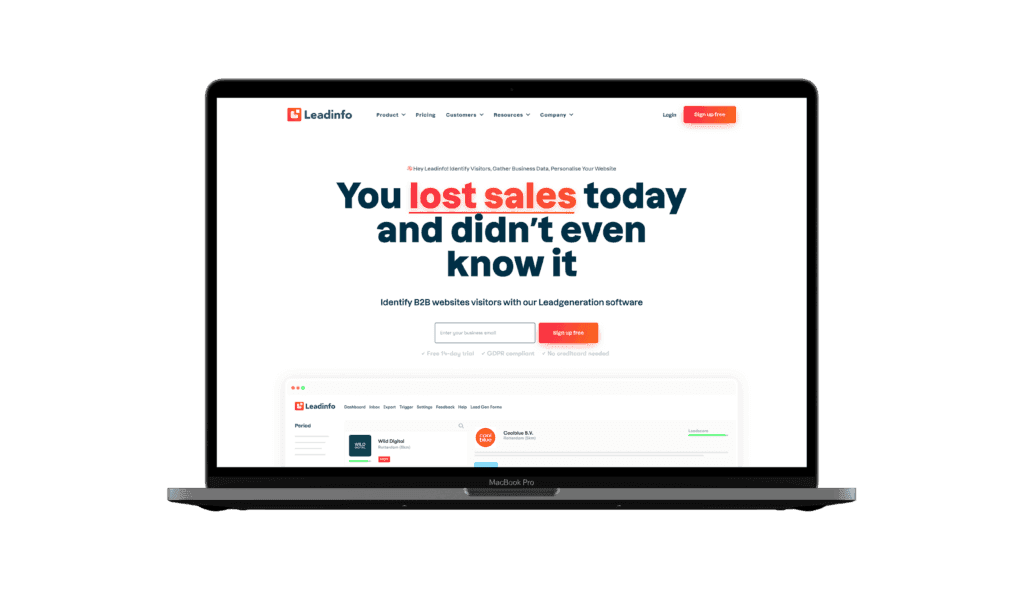
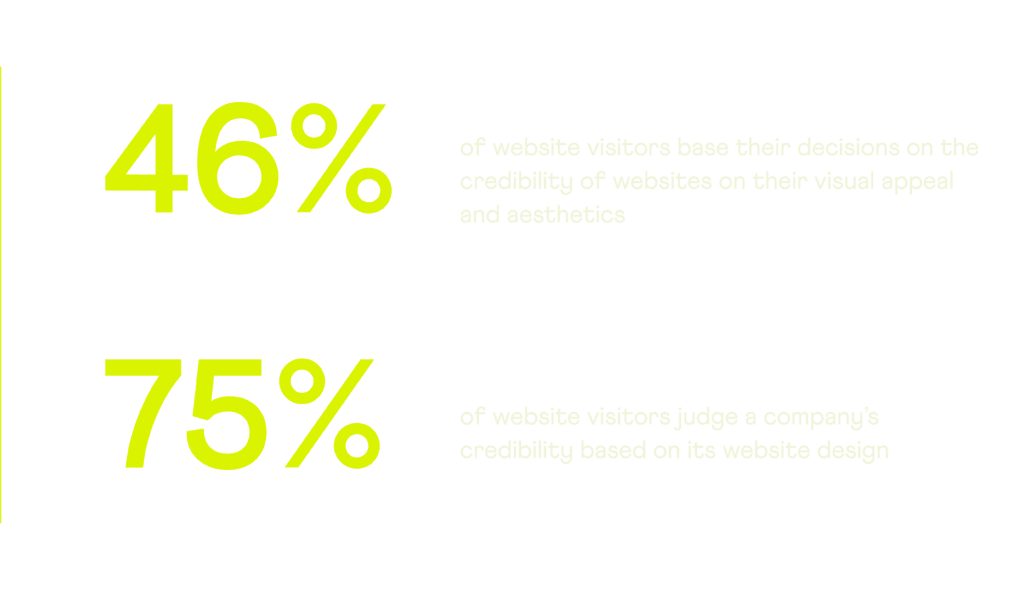
Remember, first impressions count. Website first impressions are 94% design-related. Buyers make most decisions by relying on them—how they view, perceive and feel about your brand from the get-go. It takes about 50 milliseconds for users to form an opinion about your website that determines whether they like your site or not, whether they'll start reading or leave, whether they'll make a purchase or not. If you survive those first 0.05 seconds, you're not yet safe though—38% of people will stop engaging with a website if the content or layout of the digital design is unattractive.
Not convinced? Here are some more eye-opening website statistics: