Brand maturity is a vital complement to business maturity. While the business handles the operational foundation, the brand serves as the face and voice that builds trust, recognition, and loyalty. Together, they create a cohesive and resilient enterprise. Therefore, for long-term success, business maturity and brand maturity need to grow in tandem. A disconnect between the two can lead to inefficiencies, customer dissatisfaction, or missed opportunities. Let’s zoom in on some examples.
Key Differences
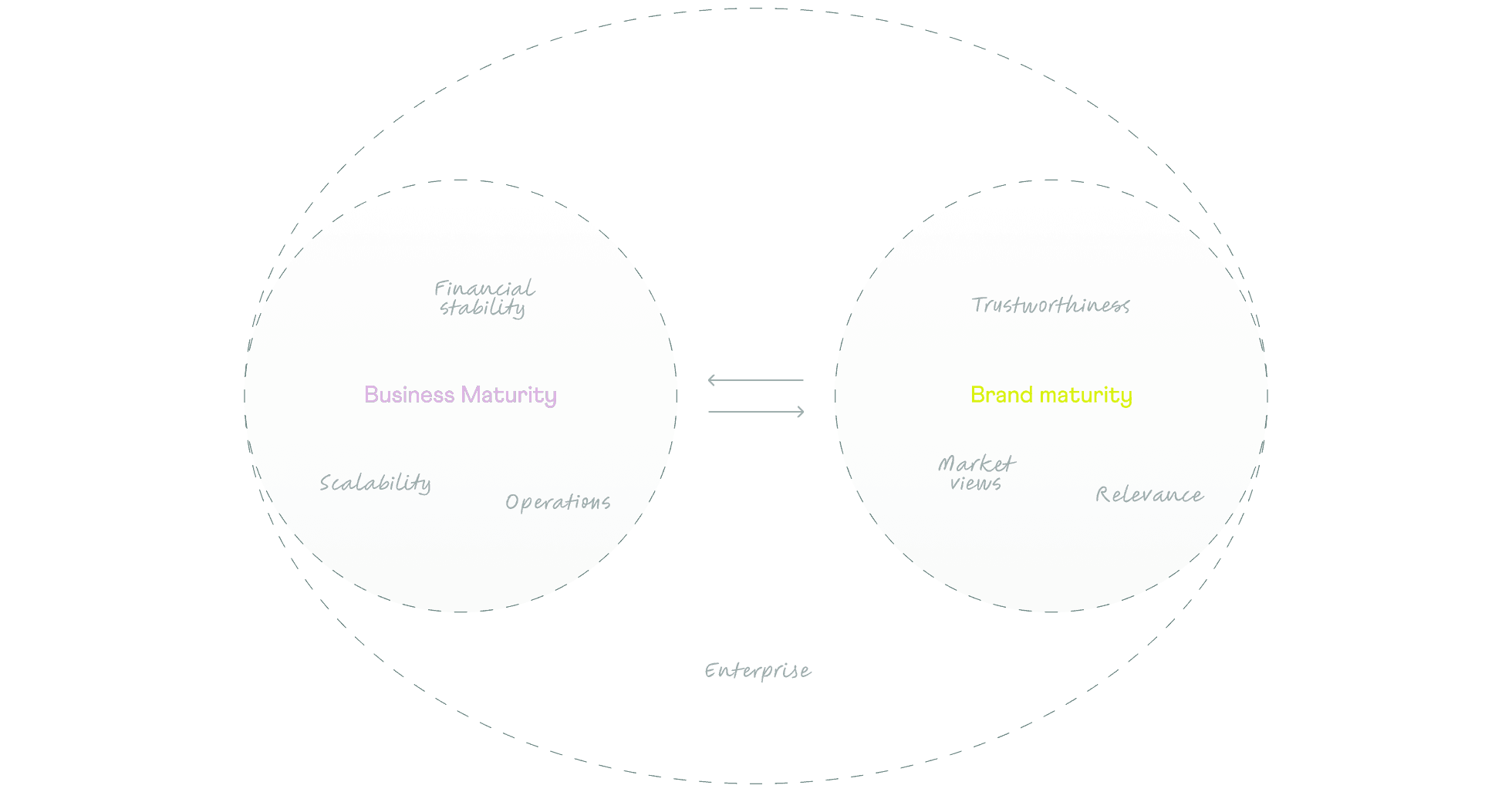
Business maturity focuses on internal capabilities, such as operations, financial stability, and scalability.
Brand maturity centers on external perception, such as how the market views the business, its trustworthiness, and its relevance.
Amplifying business success
A mature brand enhances your business’s reputation, credibility, and customer trust, often driving greater market share and profitability. AirBnB is an excellent example.
When Airbnb was founded in 2008, it was a disruptive concept: allowing people to rent out their homes or spare rooms to travelers. While the idea was innovative, the initial challenge was building trust in a model that required strangers to stay in each other’s homes. But it did not have the brand we are familiar with today.
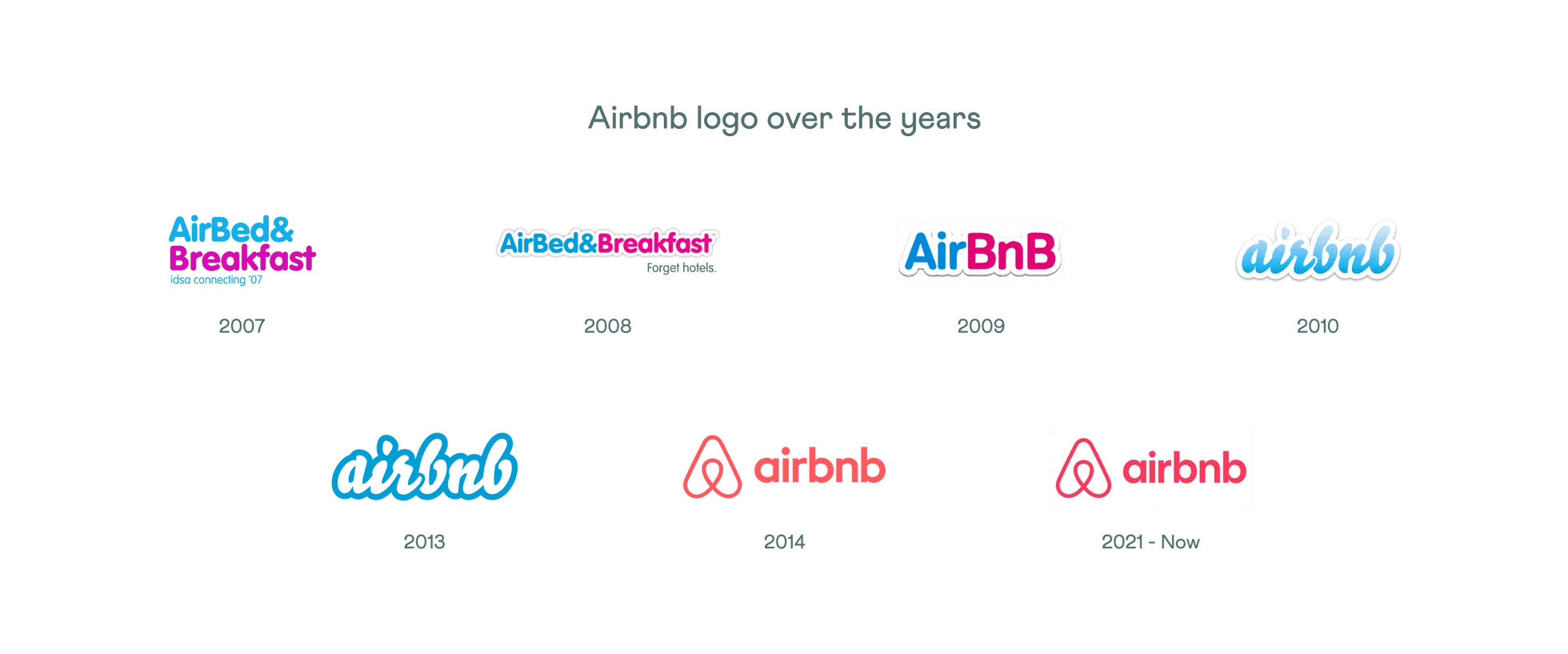
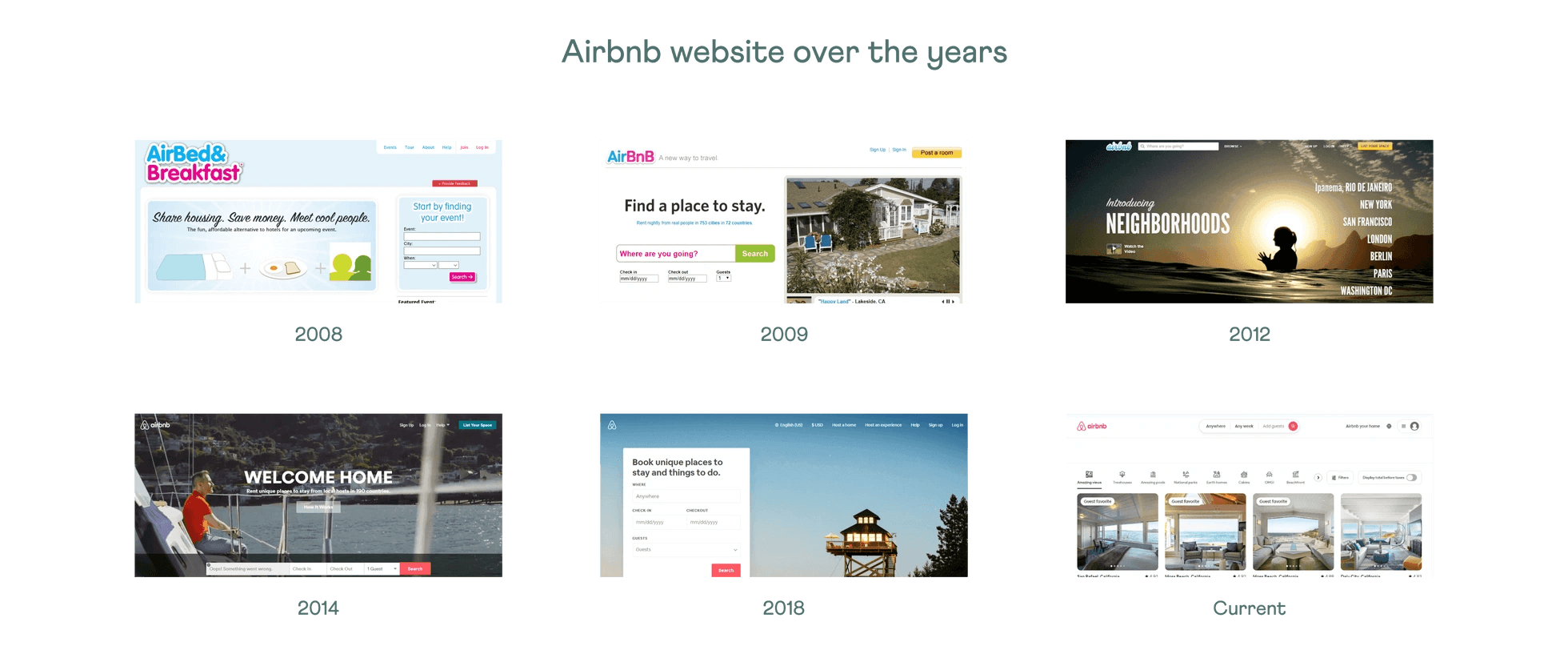
Airbnb launched a big rebranding campaign in 2014, which included a new logo, website design, and marketing strategy. The goal of this rebranding was to portray the company as a more sophisticated and upmarket alternative to standard hotels, while simultaneously emphasizing its distinctive community-driven culture.
Before 2014 the company valuation was around $10 billion. By 2019, Airbnb was valued at over $31 billion, tripling its value. Today the company is worth over $75 billion.
When your business is operationally mature (efficient processes, steady growth), a mature brand can act as a multiplier, elevating its perceived value and competitive advantage.
Bridging gaps in business growth
A mature brand can smooth transitions in a business lifecycle, such as entering new markets or launching new products. It can compensate for areas where your business is still developing. For instance, a strong brand identity can attract customers even if the business lacks extensive infrastructure or market presence.
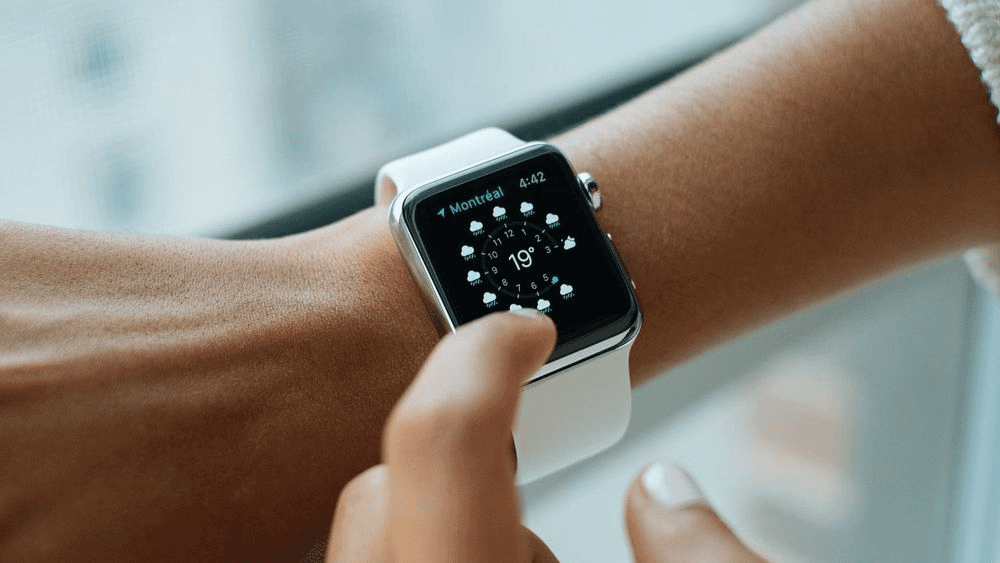
Let’s look at Apple entering the wearable tech market with the Apple Watch. The wearable tech market was still nascent when Apple decided to launch the Apple Watch in 2015. The company needed to convince consumers that this product was more than a gadget; it was a lifestyle-enhancing device.
How Apple’s Brand Maturity helped? Apple’s established reputation for high-quality, innovative technology made consumers more willing to adopt a product from a new category. Apple leveraged its mature ecosystem (iPhone, iOS, App Store) to integrate the Watch seamlessly, adding value to existing customers.The branding positioned the Apple Watch as a luxury lifestyle product, emphasizing health and convenience, rather than just tech specs. As a result, Apple became the leader in the global smartwatch market, capturing over 30% market share by 2021, followed by Samsung with 10% of the market share.
Ensuring alignment
Your business risks appearing outdated or irrelevant when the brand maturity lags behind business maturity. It can lead to lost opportunities despite operational success. Google provides a compelling recent example.
Google has long been a leader in technology and innovation, excelling in business maturity with its robust operations, advanced AI research, and extensive global reach. However, despite its significant investments in AI through projects like Google Brain and DeepMind, Google’s brand struggled to position itself as the dominant player in the rapidly evolving AI space.
The launch of OpenAI’s ChatGPT in 2022 disrupted the landscape, capturing public imagination and establishing OpenAI as a leading innovator in generative AI. OpenAI’s approachable brand, reinforced by clear communication and tangible product applications, quickly overshadowed Google’s more academic and behind-the-scenes AI efforts. While Google was technically capable—having developed its own powerful AI tools like LaMDA—its delayed and cautious response to ChatGPT gave the impression of being reactive rather than innovative.
By the time Google launched Bard in 2023, OpenAI had already cemented its position as a leader in the space. This perception gap caused Google to lose ground to its competitors, despite its operational and technical advantages in AI development.
Conversely, a mature brand with a less-developed business behind it can lead to credibility issues if promises don’t match delivery. Do you still remember ‘A fallen unicorn’- Theranos? This healthcare startup was founded in 2003 by Elizabeth Holmes. The company promised to revolutionize medical diagnostics with its innovative blood-testing technology, which required only a single drop of blood to perform a range of tests. Its branding positioned it as a groundbreaking and credible leader in healthcare innovation.
Despite its bold claims, Theranos’ technology was not functional or scalable at the level promised. Internal operations and scientific validity lagged far behind the brand’s promises. The devices failed to deliver accurate test results, and the company relied on traditional lab equipment to perform many tests. As whistleblower accounts and investigative journalism revealed the shortcomings, the brand’s reputation crumbled. Despite being valued at $9 billion at its peak, the company dissolved in 2018 after widespread legal and financial consequences.
Driving long-term sustainability
Mature brands enable businesses to weather economic downturns, industry disruptions, or competitive challenges by fostering loyalty and emotional connections with customers.
Coca-Cola is one of the world’s most iconic and mature brands, with a history spanning over a century. Its strong emotional connection with consumers and consistent brand identity have enabled the company to remain resilient during challenging economic periods and industry shifts. From the Great Depression and the WW2 to navigating the rise of health-consciousness and COVID-19, Coca-Cola evolved with the times without losing sight of its core identity.
Businesses with mature brands are more likely to innovate successfully, as their reputation can act as a cushion for experimentation.
The power of aligning Brand and Business Maturity
Brand maturity is not just an accessory to business success—it’s a key factor that enhances operations, builds trust, and ensures lasting resilience. A mature brand ensures your business can evolve with changing markets, enter new territories with confidence, and face challenges with the strength of customer trust and emotional connections.
Ultimately, businesses that invest in building and sustaining a mature brand create a powerful foundation for innovation, credibility, and enduring market leadership.
Your next step?